With
cybersecurity concerns gaining prominence as never before, the need to
educate professionals in the field – as well as boost awareness among
the general public – is becoming more acute. This month, Capitol
Technology University is hosting a prominent advocate of cybersecurity
education, Dr. Diana L. Burley. Dr. Burley will deliver the keynote
address at the university’s doctoral residency on Saturday, October 21,
2017, at 12 noon. The event is free and open to the general public.
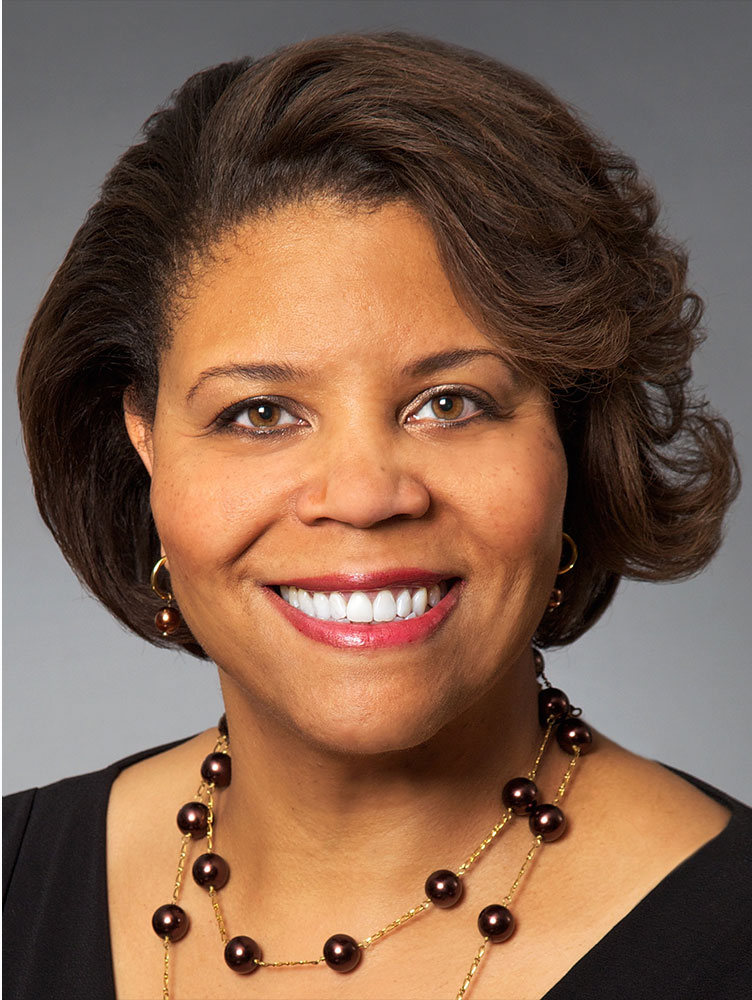 Dr. Diana Burley is a nationally known cybersecurity educator and speaker. Dr. William Butler, Chair of the Cybersecurity Program at Capitol Technology University and head of the university’s Critical Infrastructures and Cyber Protection Center
(CICPC), said, “She is the chairperson of a major national-level
committee that is focused on developing cybersecurity curriculum both
domestically and globally. Dr. Burley is very well-known in
cybersecurity circles.”
Dr. Diana Burley is a nationally known cybersecurity educator and speaker. Dr. William Butler, Chair of the Cybersecurity Program at Capitol Technology University and head of the university’s Critical Infrastructures and Cyber Protection Center
(CICPC), said, “She is the chairperson of a major national-level
committee that is focused on developing cybersecurity curriculum both
domestically and globally. Dr. Burley is very well-known in
cybersecurity circles.”
As co-Chair of the Association for Computing Machinery (ACM) and IEEE Computer Society’s (IEEE CS) Joint Task Force on Cybersecurity Education, Dr. Burley spearheaded development of the first-ever set of global cybersecurity curricular guidelines. In 2013, she served as co-Chair of the U.S. National Research Council Committee on Professionalizing the Nation’s Cybersecurity Workforce. She has testified before the U.S. Congress, conducted international cybersecurity awareness training on behalf of the U.S. State Department and served two appointments on the Cyber Security Advisory Committee of the US Commonwealth of Virginia General Assembly Joint Commission on Technology & Science (2012, 2013).
A professor of human and organizational learning at George Washington University, she also serves as Executive Director and Chair of the university’s Institute for Information Infrastructure Protection (I3P). She holds a BA in Economics from Catholic University, as well as two masters’ degrees – in Organization Science and in Public Management and Policy – from the same institution. She completed her PhD in Organization Science and Information Technology at Carnegie-Mellon University, where she was a Woodward Wilson Foundation Fellow.
“We are very excited that Dr. Burley will be delivering the keynote address at our residency,” Butler said. “She is a highly sought-after speaker and having her visit our campus is quite an event for the university.” Dr. Burley’s address will begin at 9:00 AM on Saturday, October 21, 2017 in the William G. McGowan Academic Center on Capitol Technology University’s campus located at 11301 Springfield Road in Laurel, MD. For more information about the event or about the doctoral programs at Capitol, contact Dr. Michael R. Fain, Director of Doctoral Programs, via
telephone at (240) 965-2457 or email at mrfain@captechu.edu.
About Capitol Technology University
Founded in 1927 as the Capitol Radio Engineering Institute, Capitol Technology University is a STEM (Science, Technology, Engineering and Mathematics) focused institution of higher education, providing undergraduate and graduate degrees in engineering, information sciences and technology leadership, that has flexibility and opportunities to grow, and that adapts offerings to emerging workforce needs. Capitol Technology University is the only independent university in Maryland that specializes in providing a relevant education in engineering, business and related fields, taking great pride in its proven record of placing graduates in competitive careers with salaries that are higher than the industry average.
Dr. Diana Burley is a nationally known cybersecurity educator and speaker. Dr. William Butler, Chair of the Cybersecurity Program at Capitol Technology University and head of the university’s Critical Infrastructures and Cyber Protection Center
(CICPC), said, “She is the chairperson of a major national-level
committee that is focused on developing cybersecurity curriculum both
domestically and globally. Dr. Burley is very well-known in
cybersecurity circles.”As co-Chair of the Association for Computing Machinery (ACM) and IEEE Computer Society’s (IEEE CS) Joint Task Force on Cybersecurity Education, Dr. Burley spearheaded development of the first-ever set of global cybersecurity curricular guidelines. In 2013, she served as co-Chair of the U.S. National Research Council Committee on Professionalizing the Nation’s Cybersecurity Workforce. She has testified before the U.S. Congress, conducted international cybersecurity awareness training on behalf of the U.S. State Department and served two appointments on the Cyber Security Advisory Committee of the US Commonwealth of Virginia General Assembly Joint Commission on Technology & Science (2012, 2013).
A professor of human and organizational learning at George Washington University, she also serves as Executive Director and Chair of the university’s Institute for Information Infrastructure Protection (I3P). She holds a BA in Economics from Catholic University, as well as two masters’ degrees – in Organization Science and in Public Management and Policy – from the same institution. She completed her PhD in Organization Science and Information Technology at Carnegie-Mellon University, where she was a Woodward Wilson Foundation Fellow.
“We are very excited that Dr. Burley will be delivering the keynote address at our residency,” Butler said. “She is a highly sought-after speaker and having her visit our campus is quite an event for the university.” Dr. Burley’s address will begin at 9:00 AM on Saturday, October 21, 2017 in the William G. McGowan Academic Center on Capitol Technology University’s campus located at 11301 Springfield Road in Laurel, MD. For more information about the event or about the doctoral programs at Capitol, contact Dr. Michael R. Fain, Director of Doctoral Programs, via
telephone at (240) 965-2457 or email at mrfain@captechu.edu.
About Capitol Technology University
Founded in 1927 as the Capitol Radio Engineering Institute, Capitol Technology University is a STEM (Science, Technology, Engineering and Mathematics) focused institution of higher education, providing undergraduate and graduate degrees in engineering, information sciences and technology leadership, that has flexibility and opportunities to grow, and that adapts offerings to emerging workforce needs. Capitol Technology University is the only independent university in Maryland that specializes in providing a relevant education in engineering, business and related fields, taking great pride in its proven record of placing graduates in competitive careers with salaries that are higher than the industry average.
Date:
Friday, October 13, 2017

 Sound
like sci-fi fantasy? Once, it would have been. Now it is becoming
reality, as a result of brain machine interfaces (BMI) – an emerging
field of technological research that is generating intense interest.
Capitol Technology University, home to one of the nation’s most highly
regarded cybersecurity programs, will be providing an opportunity for
young people to learn about brain machine interfaces and even to try
them out for themselves.
Sound
like sci-fi fantasy? Once, it would have been. Now it is becoming
reality, as a result of brain machine interfaces (BMI) – an emerging
field of technological research that is generating intense interest.
Capitol Technology University, home to one of the nation’s most highly
regarded cybersecurity programs, will be providing an opportunity for
young people to learn about brain machine interfaces and even to try
them out for themselves.